
Thinking About Buying Land in Midcoast Maine? 7 Things to Check First
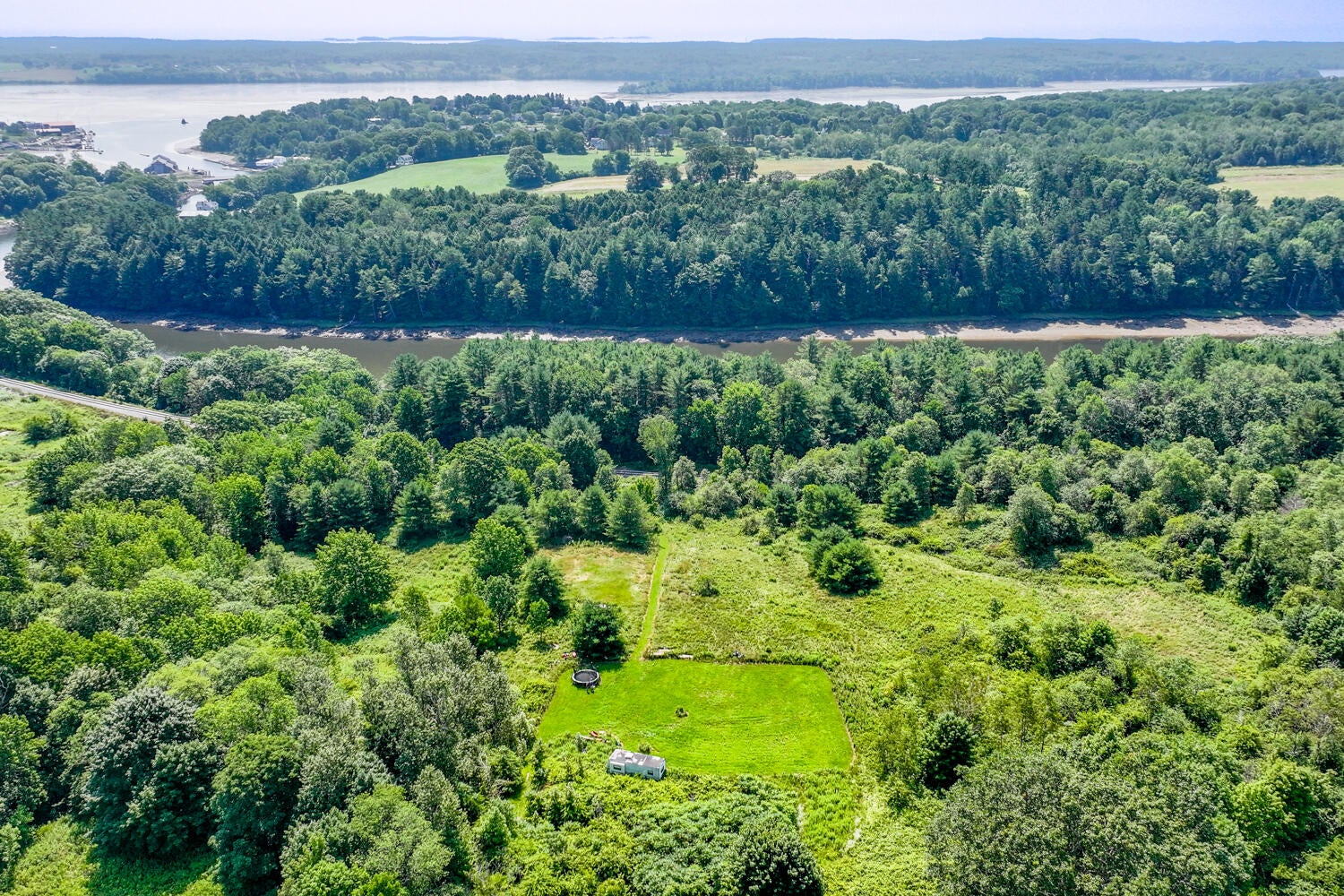
Finding the right piece of land in Midcoast Maine can be exciting. Maybe you're planning to build a year-round home, create a quiet retreat, or purchase property for a future project.
But before buying vacant land, it's important to understand what you can actually do with it. A property that looks perfect may have limitations involving zoning, soil conditions, road access, utilities, or environmental restrictions.
If you're considering buying land in Maine, here are seven things to investigate before making an offer.
1. Check Local Zoning and Building Requirements
Start by contacting the town where the property is located. The local code enforcement office or planning department can help explain the zoning rules and building requirements that apply to the parcel.
Ask about permitted uses, minimum lot sizes, setbacks, and road frontage requirements. It's also worth confirming that the lot was legally created and can be used as a separate building parcel.
Never assume that land advertised as residential is automatically ready for construction. Local requirements can affect what you are allowed to build.
2. Find Out Whether the Land Can Support a Septic System
Many rural properties in Midcoast Maine rely on private septic systems. If public sewer isn't available, the land will need to be suitable for an appropriate wastewater system.
A qualified site evaluator can assess the soil and determine whether a septic system may be possible. In Maine, new septic installations also require the appropriate permits through the local plumbing inspector.
Ask whether the seller has an existing soil evaluation or septic design. If not, find out what evaluations may be needed before proceeding. You can also discuss appropriate purchase agreement conditions with your real estate professional.
Remember that having enough acreage does not automatically mean a property is suitable for a septic system.
3. Understand Road Access and Property Rights
A parcel may appear close to a public road, but that doesn't necessarily mean it has direct legal access.
Find out whether the property has public road frontage or depends on a private road or shared right-of-way. If access is shared, ask about maintenance responsibilities, repair costs, and snow removal.
Also consider whether the road is practical for construction vehicles and everyday use throughout the year.
If the property depends on a private road, review any available easements and road maintenance agreements before purchasing.
4. Check Utilities and Available Services
Before buying land, find out which services are available and what it might cost to bring them to the building site.
Consider the following:
- Electricity: Is power available nearby, or would an extension be needed?
- Water: Is public water available, or would you need a private well?
- Internet: Which providers serve the area?
- Heating: Are propane or other fuel delivery services available?
A vacant parcel without existing connections can require additional installation work. Contact the relevant utility providers and request estimates rather than assuming connections will be inexpensive or readily available.
5. Look for Wetlands, Flood Risks, and Shoreland Restrictions
Midcoast Maine has a mix of coastal properties, wooded parcels, wetlands, and land near rivers and ponds. These natural features can affect where and how you may be able to build.
Maine has shoreland zoning requirements for certain properties near water bodies and protected natural areas. Individual towns may also have additional restrictions. Wetlands and other protected resources can affect development, clearing, and permitting.
Check whether the property has potential wetland or flood-related concerns. If you're considering waterfront or near-water land, contact the local code enforcement office before making assumptions about construction.
It's also a good idea to ask an insurance provider whether flood coverage or other specialized insurance may be appropriate for the property.
6. Verify Property Boundaries and Survey Information
The visible edges of a property aren't necessarily its legal boundaries. A driveway, tree line, fence, or old marker may not accurately show where one parcel ends and another begins.
Ask whether the seller has a recent survey or recorded plan. Review the available property documents, and consider hiring a licensed surveyor if the boundaries are unclear or you need to establish a potential building location.
A survey can help clarify property lines and identify possible easements or encroachments.
7. Understand the Total Cost of Preparing the Land
The purchase price is only one part of the cost of buying vacant land. Preparing a parcel for construction can involve additional expenses, including:
- Surveying and soil evaluations
- Tree clearing and site preparation
- Driveway or road improvements
- Well drilling and septic installation
- Electricity and utility connections
- Permits and professional services
Ask contractors and qualified professionals for estimates based on the specific property. A lower-priced lot may require considerably more preparation before construction can begin.
Also consider seasonal conditions. Frozen ground and spring mud can affect when certain site-preparation and construction work is practical.
Questions to Ask Before Buying Land
Before making an offer, consider asking:
- What is the property's current zoning, and what uses are permitted?
- Was the lot legally created?
- Is there an existing soil evaluation or septic design?
- Does the property have legal road access?
- Are there recorded easements or shared road responsibilities?
- Which utilities and services are available?
- Are there wetlands, shoreland restrictions, or flood-related concerns?
- Is a recent property survey available?
- Is the property enrolled in a current-use tax program, and could changing its use affect its tax status?
- What additional work might be needed before building?
You don't need every answer immediately, but it's important to identify potential issues and determine what needs further investigation before committing to a purchase.
Final Thoughts
Buying land in Midcoast Maine offers the opportunity to create something of your own, whether that's a year-round home, a vacation retreat, or a future building project.
The key is understanding the property before you buy. Zoning, soil conditions, road access, utilities, and environmental restrictions can all influence what you can build and what it will cost to prepare the site.
Taking time to investigate these details can help you make a more informed decision and avoid unexpected obstacles along the way.
