
What Should You Look for During a Home Tour in Midcoast Maine?
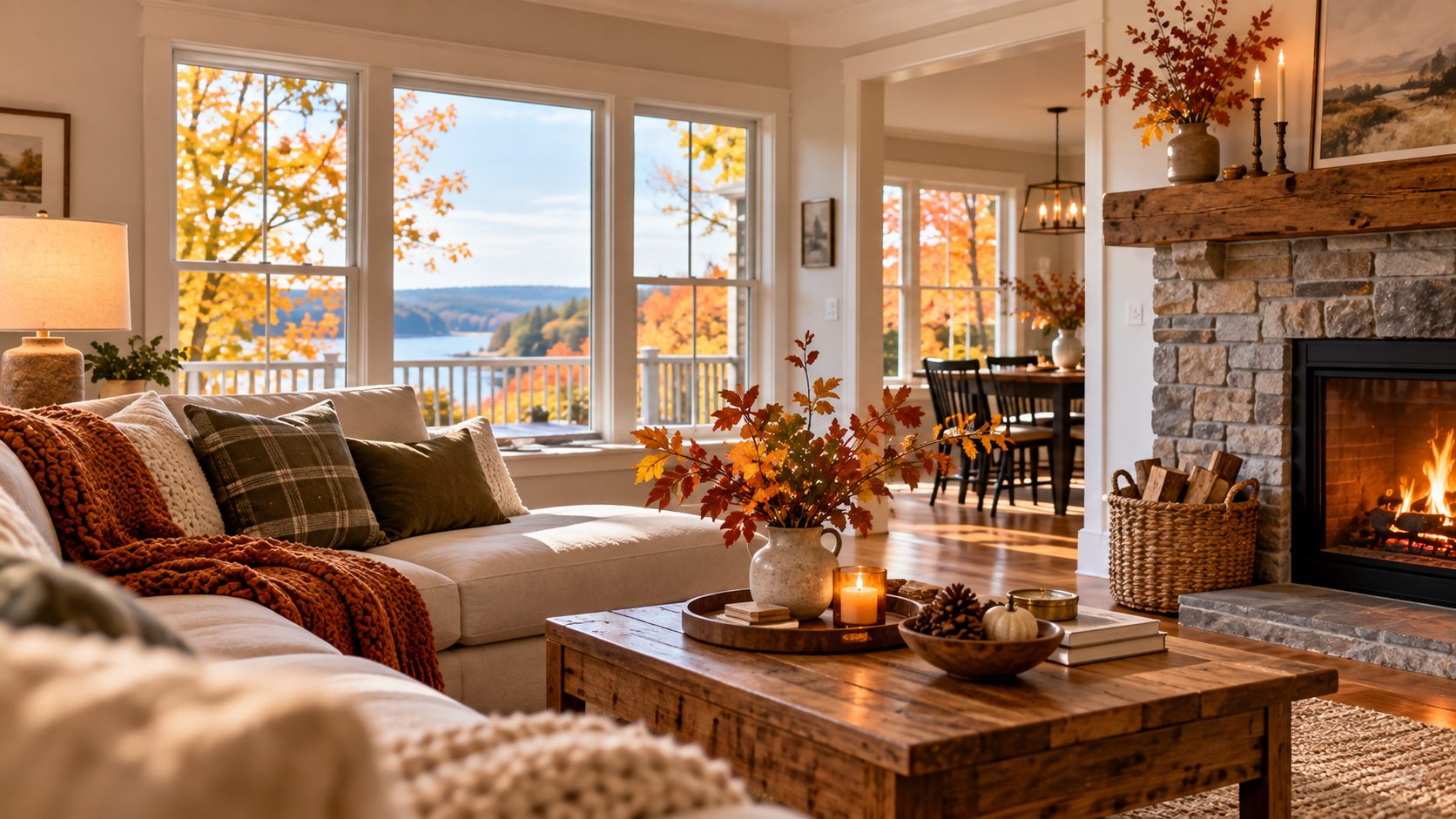
Fresh paint and thoughtful staging can make a home look its best. But in Midcoast Maine, what you can't see at first glance can matter just as much as what you can. From heating costs and basement moisture to winter access and coastal wear, a thorough home tour can help you spot the questions worth asking before you make an offer.
If the seller's property disclosure is available before your tour, read it first. It can provide important information about the home's water supply, heating system, septic or other waste disposal, access, flood risks, and known defects. Use your time at the showing to observe what paperwork can't tell you.
Here are seven things to look for.
Heating is one of the biggest ongoing costs of owning a home in Maine, so pay attention to it in person.
Notice whether some rooms feel colder than others, whether you feel drafts near windows and doors, and how the heating system looks, sounds, and smells. Check how many rooms depend on supplemental heat, such as a wood stove, space heaters, or heat pump heads.
Ask whether the seller can provide 12 months of heating bills or fuel-use records. The type of system tells you less than what it costs to run through a Maine winter.
2. Well and Septic: Know What to Follow Up On
If the home has a private well and septic system, the disclosure will describe them. Read it closely, then talk with your inspector about what testing makes sense before closing.
Radon is worth checking, too. If you want to test a home that's for sale, Maine requires testing to be performed by a state-registered radon tester. Ask your agent about arranging appropriate testing before closing.
3. Check the Basement and Foundation
This is where a visit tells you more than paper can. Look for water stains, white mineral residue on masonry, a musty smell, or a dehumidifier running in the corner. Check for sump pumps, and notice how the basement feels compared to the rest of the house.
Ask whether water has ever come in during spring thaw or heavy storms. A home inspection can take a closer look, but your first impression matters.
4. Walk the Exterior
Take your time outside. Look at the roof from where it’s visible, the siding, gutters, foundation, and how water drains away from the house.
Pay attention to the driveway: how long and steep it is, and how it would handle snow and ice. Ask who plows it and what a typical winter costs.
Near the coast, look for salt-air wear on siding, decks, railings, and metal fixtures.
5. Consider the Home’s Age and Updates
Midcoast Maine has plenty of older homes, from historic village houses to rural farmhouses. Their character is a big part of the appeal, so ask what has been updated and when, including wiring, plumbing, the roof, windows, and insulation. In older homes, also ask about potential lead paint and outdated electrical systems.
If there’s paperwork or a contractor’s name for recent work, ask for it. Your inspector can help you decide what deserves a closer look.
6. Think About Daily Life
Picture how you’d really live here, especially in January.
Is there a mudroom or a spot for boots, coats, and gear? Room to stack wood or store a snowblower? Space for a home office or guests? How does natural light fall in the rooms you’d use most, and what will it feel like when the days are short?
Check your phone while you’re there. Cell and internet service can vary a lot in rural areas, and it’s worth knowing before you commit.
7. Listen and Notice the Surroundings
Stand quietly in a few rooms. Can you hear road traffic, a neighbor’s activity, or a heating system running constantly?
If you can, visit the neighborhood at a different time of day to get a feel for noise, traffic, and activity. A road that’s quiet on a Saturday morning may feel different on a weekday evening or in summer tourist season.
Questions to Ask Before You Leave
Your disclosure covers the basics, so use the tour to ask about what paperwork can’t show:
- Can I see 12 months of actual heating bills or fuel-use records?
- Who plows the driveway, and what does a typical winter cost?
- Does the house feel different in winter, with cold rooms, drafts, or ice buildup?
- What internet and cell service do you get here?
- Which repairs or updates were done recently, and is there paperwork or a contractor name?
- Are there any items in the seller’s disclosure that I should ask about or investigate further?
You don’t need every answer on the spot. The goal is to identify what’s worth researching before you decide.
Final Thoughts
A successful home tour isn’t just about whether a house looks beautiful. It’s about how it feels, how it functions, and what it will take to own through a Maine winter.
Take notes and photos, ask questions, and don’t let appearances rush your decision. If a home stands out, a professional home inspection can look into its condition much more closely.
Whether you’re touring a historic home in Camden, a coastal property in Rockport, or a home in Belfast or another Midcoast community, knowing what to look for can help you move forward with confidence.
