
Buying a Vacation Home in Maine: What to Know
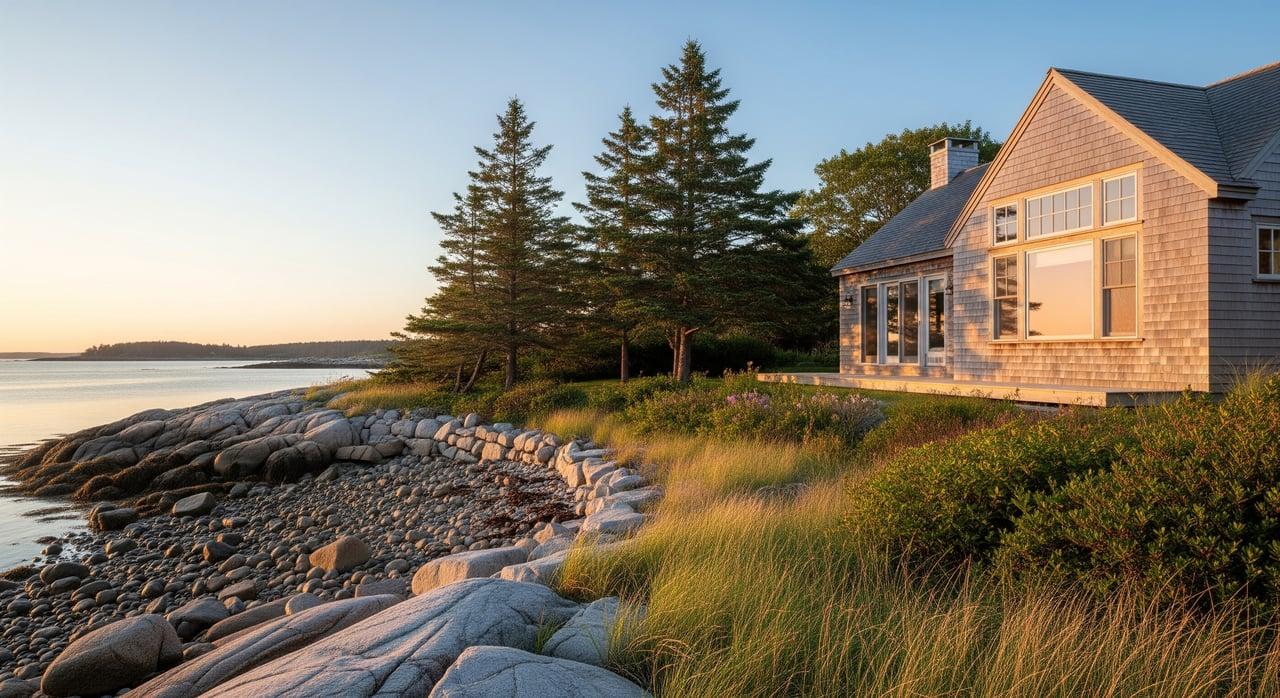
Dreaming of a summer cottage along the coast or a peaceful getaway beside a Maine lake? Buying a vacation home in Maine can be a wonderful way to enjoy the state's scenery, charming towns, and outdoor lifestyle.
But before you buy, it's important to look beyond the view. Financing, maintenance, insurance, and how you plan to use the property can all affect the cost and experience of vacation-home ownership.
Here are six things to consider before purchasing a vacation home in Maine.
Maine offers a variety of vacation homes, from coastal cottages overlooking the ocean to lakefront retreats surrounded by trees and nature.
In Midcoast Maine, communities such as Camden, Rockport, Belfast, and Lincolnville offer coastal living, while inland areas provide opportunities to enjoy Maine's lakes and quieter rural settings.
Think about the experience you want. Do you prefer ocean views, boating, and access to coastal towns, or would you rather spend your summers swimming, fishing, and relaxing beside a lake?
Each property has different considerations, including water access, shoreline conditions, maintenance, and applicable local regulations.
2. Understand Financing and Ownership Costs
Financing a vacation home can differ from financing a primary residence. Lenders may have different requirements for down payments, credit, reserves, and how the property will be used.
Before shopping, speak with a qualified lender about your options and establish a realistic budget.
Remember that the purchase price is only part of the cost. You'll also need to account for:
- Property taxes and insurance
- Heating and electricity
- Routine maintenance and repairs
- Lawn care and snow removal
- Private road or association fees
- Well and septic maintenance, when applicable
If you're buying a waterfront property, investigate insurance availability and any additional costs associated with the property's location.
3. Decide Whether You'll Use It Seasonally or Year-Round
Not every vacation home is equally suited to year-round living.
If you plan to visit mainly during the summer, your needs may be different from those of someone who wants to enjoy the property throughout the winter.
Ask about heating, insulation, winter road maintenance, snow removal, and access during colder months. If the property is primarily seasonal, find out what improvements might be needed for comfortable year-round use.
4. Plan for Maintenance When You're Away
Vacation homes often sit empty for weeks or months, especially during the off-season.
Depending on the property, you may need to arrange for winterization, property checks, landscaping, snow removal, or help responding to unexpected maintenance issues.
Consider how far away you live and whether you have reliable local service providers who can check on the home when you're not there.
A little planning can help protect your property and make ownership easier, even when you can't be there in person.
5. Consider the Rental Potential Carefully
Some buyers hope to offset ownership costs by renting out their vacation home when they're not using it.
If that's part of your plan, research local short-term rental rules before making an offer. Requirements can vary by municipality and may include registration, licensing, occupancy limits, or other restrictions.
You'll also need to consider cleaning, property management, insurance, taxes, and seasonal demand. Rental income is not guaranteed, so make sure the property remains affordable without relying on projected bookings.
A qualified tax professional can help you understand the tax implications of renting out a second home.
6. Investigate the Property Before Buying
A beautiful vacation home still needs careful evaluation.
For coastal and lakefront properties, pay attention to shoreline conditions, flood exposure, water supply, septic systems, and applicable shoreland zoning requirements. Local rules may affect future additions, renovations, vegetation removal, or other changes near the water.
A home inspection and appropriate follow-up evaluations can help identify potential concerns before you commit.
Final Thoughts
Buying a vacation home in Maine is about finding a property that fits your lifestyle, plans, and budget.
Whether you're considering a coastal cottage in Rockport, a getaway near Belfast, or a lakefront retreat farther inland, understanding the property's condition, financing, ongoing expenses, and seasonal requirements can help you make a more informed decision.
