
What Makes a Home Truly Year-Round in Midcoast Maine?
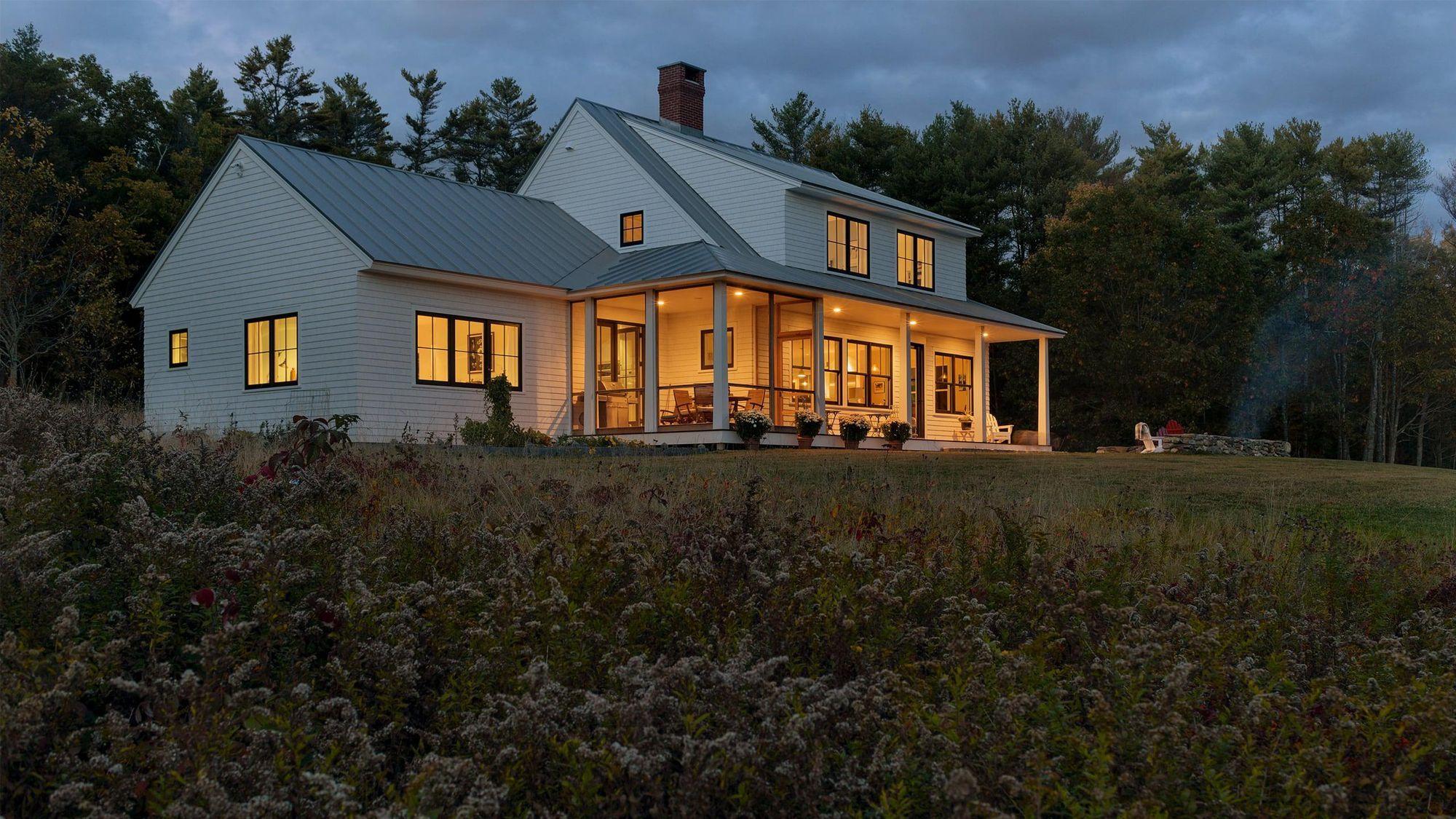
A home can be beautiful in the summer and still present very different challenges once winter arrives.
For buyers looking for a year-round home in Midcoast Maine, it's important to look beyond the number of bedrooms, the kitchen, and the view. Heating, road access, water, septic, power, and even internet can all affect what it's like to live in a property throughout the year.
Here are some things to consider before deciding whether a home is truly right for year-round living.
Maine winters make heating one of the most important parts of homeownership.
Ask about the home's primary heating system, how old it is, and how the home has been heated in previous winters.
It's also worth asking about:
- Heating fuel and typical usage
- Heat pumps or other supplemental systems
- Insulation
- Windows
- Backup heat
If possible, ask the seller for recent heating bills. They can give you a much better idea of what it actually costs to keep the home comfortable.
2. Know Who Maintains the Road
A beautiful home isn't much use if getting there after a winter storm is difficult.
For properties on private roads, find out who is responsible for maintenance and snow removal. Ask whether there is a road association, how costs are shared, and whether there are annual or seasonal fees.
Also consider the driveway itself.
Is it steep? Long? Gravel? Does it have good drainage? Who plows it?
These details may not seem important during a summer showing, but they can make a big difference in January.
3. Understand the Water and Septic Systems
Many Midcoast Maine homes rely on private wells and septic systems, particularly outside more developed areas.
Before buying, understand how the property's water and wastewater systems work and what maintenance they require.
For a private well, buyers may want to review recent testing and ask about the well's history.
For septic systems, find out when the system was installed, when it was last inspected or serviced, and whether there are any known issues.
This is especially important for older, rural, and waterfront properties.
Power outages can happen during Maine storms, so it's worth asking whether the property has a generator or another backup power source.
If there is a generator, find out what it powers and how it is maintained.
You may also want to ask about:
- Backup heat
- Well pumps
- Sump pumps
- Internet during outages
- Trees near power lines
Understanding how the home functions during a winter outage can give you a better picture of year-round living.
5. Don't Forget About Internet
For buyers who work remotely, reliable internet can be just as important as reliable electricity.
Internet service can vary considerably between locations, particularly in more rural parts of Midcoast Maine.
Before purchasing, check what providers and service levels are actually available at the property rather than assuming service will be the same as it is in town.
6. Look Beyond the Property
Year-round living isn't just about the house.
Think about what it's like to live in the surrounding community during the quieter months.
How far is the nearest grocery store? What about healthcare, restaurants, schools, or other services you use regularly?
A property that feels wonderfully secluded in July may feel very different when the days are shorter and the roads are covered in snow.
7. Ask How the Home Is Used Today
One of the simplest questions you can ask is:
“Is this home currently being used year-round?”
If it is, the seller may be able to provide useful insight into heating, winter access, utilities, and maintenance.
If it's primarily been used as a seasonal property, take a closer look at what would need to change to make it comfortable for full-time living.
Questions to Ask Before You Buy
Before purchasing a year-round home in Midcoast Maine, consider asking:
- How is the home heated?
- What are typical heating costs?
- Who plows the road and driveway?
- Is the road publicly or privately maintained?
- Is the home on a well and septic system?
- How reliable is the internet?
- Is there a generator or backup heat?
- What winter maintenance does the property require?
- How far are everyday services?
Final Thoughts
A true year-round home is about more than whether the property is technically suitable for four-season occupancy.
It's about understanding how the home, road, utilities, and surrounding community function throughout the entire year.
Whether you're looking at a coastal home in Rockport, a property outside Belfast, a country home near Lincolnville, or a house farther inland, asking the right questions can help you understand what year-round ownership will really look like.
Should You Sell Your Home in Midcoast Maine This Fall?
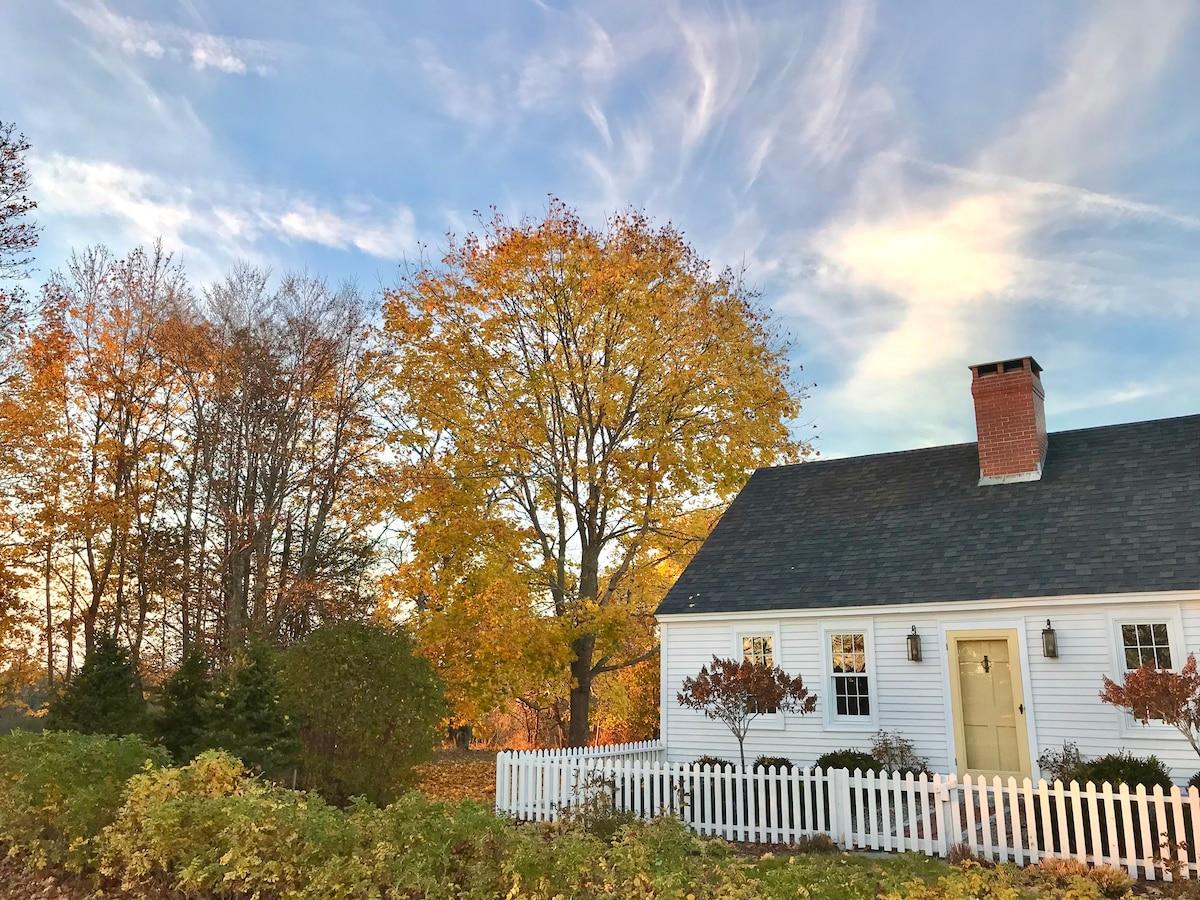
If you're thinking about selling your home, you may be wondering whether you should list now or wait until spring.
While spring and summer are traditionally busy seasons for Maine real estate, fall can still be a good time to sell, especially when your home is priced appropriately and prepared for the season.
Here are a few things to consider before deciding whether to put your home on the market this fall.
Buyers Are Still Looking
The real estate market doesn't stop when summer ends.
September and October can bring another wave of activity as buyers who have been searching throughout the summer decide which homes they want to pursue.
Fall buyers may be relocating, downsizing, moving closer to family, or simply hoping to find a home before winter.
You may have fewer buyers than during the height of summer, but the buyers who remain active can be serious about making a move.
There May Be Less Competition
Some homeowners choose to wait until spring to list.
That can mean fewer competing homes for buyers to choose from, depending on the community and property type.
With Maine's inventory higher than it has been in recent years, however, sellers still need to pay attention to the homes currently on the market and how their property compares.
Pricing Matters
Selling in the fall doesn't mean you need to automatically lower your price.
Instead, your asking price should reflect current local market conditions, recent comparable sales, property condition, and competing listings.
This is particularly important in Midcoast Maine, where market conditions can vary between communities such as Camden, Rockport, Belfast, Lincolnville, and Rockland.
Make Your Home Shine in Fall
Fall is actually a beautiful time to showcase a Maine home.
Before listing, consider taking care of a few simple details:
- Clean gutters and windows
- Tidy landscaping and outdoor spaces
- Touch up areas that need attention
- Make the entryway welcoming
- Have professional photography taken while the landscape still has color
It's also a good time to make sure your home is ready for questions about heating, winter maintenance, snow removal, and year-round access.
Waterfront and Seasonal Homes May Need Extra Thought
If you're selling a waterfront or seasonal property, fall can give buyers a chance to think about what ownership will be like beyond the summer months.
Features such as privacy, views, four-season recreation, heating, road access, and winter maintenance can all become important considerations.
For coastal properties, buyers may also ask about flood exposure, insurance, septic systems, and year-round accessibility.
Should You Wait Until Spring?
There isn't one answer for every seller.
Waiting may make sense if your home needs additional preparation or if your property is particularly dependent on summer features.
But waiting isn't automatically better.
If your home is ready, your pricing is competitive, and there are buyers looking for your type of property, fall can be an opportunity to sell before the spring market becomes more crowded.
Final Thoughts
The best time to sell isn't determined by the calendar alone.
Your home's location, condition, competition, current market conditions, and your own timeline all matter.
If you're considering selling in Midcoast Maine this fall, understanding your local market is the best place to start.
Is the Midcoast Maine Housing Market Changing? What Buyers and Sellers Should Know
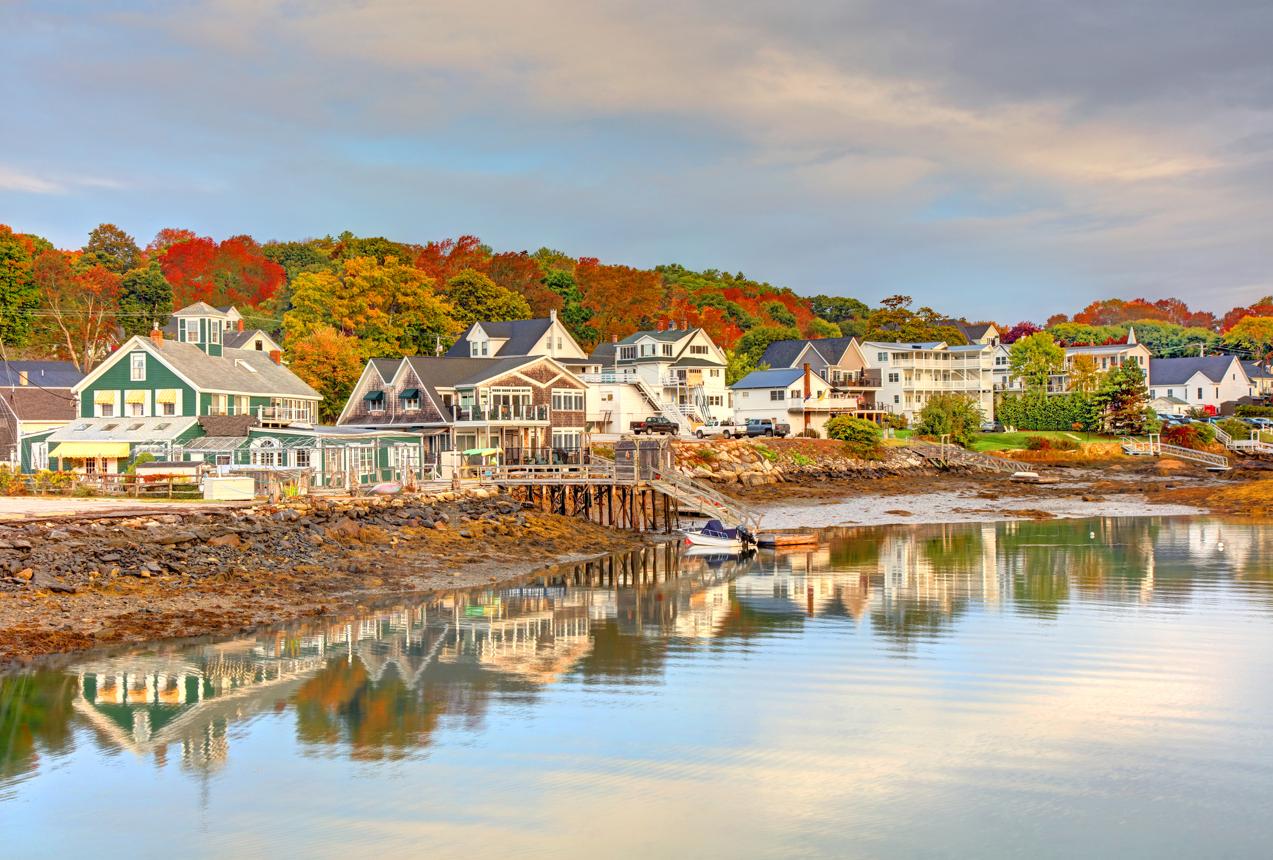
The Maine housing market is looking a little different this fall.
More homes are coming onto the market, giving buyers more choices than they've had in recent years. At the same time, home prices remain relatively strong, and desirable properties in Midcoast Maine can still attract serious interest.
So, is the market changing?
Yes, but the changes can look different depending on the community and property.
More Homes Are Available
One of the biggest changes is increased inventory.
More than 8,000 homes were on the market across Maine in August 2026, the highest level seen since the pandemic period.
For buyers, that means more homes to compare and potentially more time to make a decision.
For sellers, it means buyers have more options.
Prices Aren't Suddenly Falling
More inventory doesn't necessarily mean falling prices.
Maine's median home price was $424,550 in August 2026, up 4.31% from the previous year. At the same time, the number of homes sold was down from August 2025.
In other words, the market is changing, but it's not as simple as saying prices are going down.
Midcoast Maine Is Not One Market
What's happening statewide doesn't always reflect what's happening in individual Midcoast communities.
Recent data for Knox, Lincoln, and Waldo counties shows differences in both sales activity and median prices.
That's why buyers and sellers should look beyond statewide headlines and pay attention to what's happening in the specific town and property type they're considering.
A waterfront home in Rockport may have a very different market than a home in downtown Belfast. A renovated historic home in Camden may attract a different buyer than a property needing significant updates.
What Does This Mean for Buyers?
More inventory can give buyers more opportunities to compare homes.
It may also provide more negotiating room on some properties, particularly homes that have been on the market for a while.
But buyers shouldn't assume every seller will negotiate or that every home is overpriced.
Price, location, condition, and demand still matter.
What Does This Mean for Sellers?
Sellers now have more competition for buyers' attention.
That makes accurate pricing and good preparation especially important.
Professional photography, thoughtful presentation, and a strong marketing strategy can help a home stand out when buyers have several properties to consider.
Looking Ahead This Fall
The Midcoast Maine market continues to evolve.
We're seeing more inventory and more choices for buyers, while sellers need to be increasingly thoughtful about pricing and presentation.
The important thing to remember is that Midcoast Maine isn't one single real estate market. Conditions can vary significantly from one community, neighborhood, or property type to another.
Whether you're buying or selling in Camden, Rockport, Belfast, Lincolnville, Northport, Rockland, or nearby communities, understanding what's happening locally can help you make informed decisions.
Buying a Home in Midcoast Maine This Fall: What Buyers Should Know
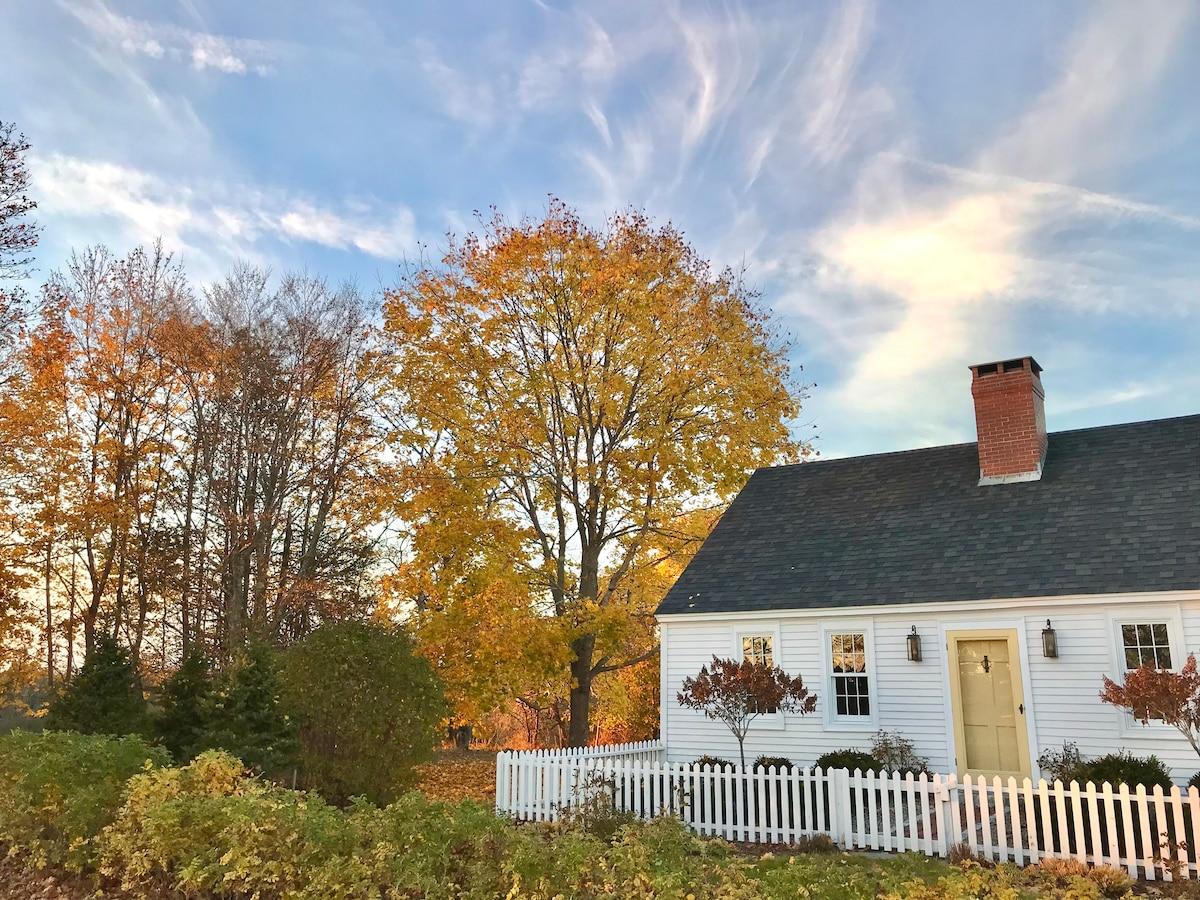
Fall can be an excellent time to buy a home in Midcoast Maine.
The pace of the market often changes after the busy summer season, and buyers may have a little more time to think through their options. At the same time, there are some things that become especially important as temperatures drop and winter approaches.
If you're considering a home in Belfast, Camden, Rockport, Lincolnville, Northport, Rockland, or surrounding communities, here are a few things to keep in mind this fall.
1. You May Have More Time to Think
Summer is traditionally one of the busiest times for Maine real estate. By fall, some buyers have already completed their searches, which can mean less competition for certain properties.
Maine also saw more inventory in 2026 than in recent years, giving buyers more homes to consider. However, the market can vary significantly from one community and property type to another.
That means fall buyers should look at the specific local market, rather than assuming every home will have the same level of competition.
2. Look Beyond Summer Curb Appeal
A home can look very different in September or October than it does in June.
Fall is actually a good time to pay attention to things that may not be as obvious during the summer:
- How much sunlight does the home get?
- Are there signs of moisture or drainage problems?
- How does the property handle leaves and runoff?
- Is the driveway easy to access?
- How much maintenance will the property require?
With the leaves beginning to fall, you may also get a better sense of the property's landscaping, views, and privacy.
3. Ask About Heating Costs
Heating is a major consideration when buying a home in Maine.
Ask the seller for information about the home's heating system and, when available, recent utility or heating bills. Find out what type of fuel the home uses and when the heating system was last serviced.
It's also worth asking about:
- Primary and secondary heating systems
- Age and condition of the heating equipment
- Insulation
- Windows
- Backup heat or generator systems
The Maine Association of REALTORS® also recommends considering ongoing expenses such as utilities, repairs, maintenance, property taxes, and insurance when evaluating whether a home fits your budget.
4. Think About Winter Before You Make an Offer
One of the biggest advantages of buying in the fall is that you can start thinking about winter before you move in.
If you're looking at a rural or waterfront property, ask questions about:
- Snow removal
- Private road maintenance
- Driveway access
- Winter plowing
- Backup power
- Well and septic systems
- Year-round accessibility
A beautiful summer property can come with very different responsibilities once the snow arrives.
This is especially important if you're considering a second home or a property farther from town.
5. Waterfront Buyers Should Do Extra Due Diligence
Fall can also be a good time to take a closer look at waterfront property.
Maine's shoreland zoning rules can affect things such as structures, additions, vegetation, and other activities near the water. Local municipalities administer their own shoreland zoning ordinances within the state's requirements.
Buyers should also pay close attention to wells, septic systems, shoreline conditions, flood considerations, and year-round access.
For shoreland property with a subsurface wastewater system, Maine law has additional inspection requirements when the property is transferred.
If you're considering waterfront property, it's worth doing this due diligence before you become too attached to the property.
6. Explore the Community, Not Just the House
Buying a home is also about choosing a community.
Before making an offer, spend some time in the area and think about what everyday life will actually be like.
How far will you travel for groceries? What is the commute like? Are restaurants, healthcare, schools, recreation, and other services convenient for you?
The Maine Association of REALTORS® recommends evaluating neighborhoods based on the amenities and conveniences that matter to your household, and visiting the neighborhoods you're considering to get a better feel for them.
Fall can be especially helpful for this because you're experiencing Midcoast Maine closer to its quieter, year-round rhythm rather than only during the busy summer season.
7. Don't Assume You Have to Wait Until Spring
Some buyers assume spring is automatically the best time to purchase a home.
That's not necessarily the case.
The right time to buy depends on your finances, your needs, the property you're looking for, and the local market.
Fall can give buyers an opportunity to see homes under different seasonal conditions, ask important questions about winter living, and potentially have more room to negotiate on some properties.
At the same time, desirable homes can still attract strong interest, so buyers shouldn't assume every seller will be willing to negotiate simply because summer is over.
Final Thoughts
Buying a home in Midcoast Maine this fall can be a great opportunity, especially if you're prepared to look beyond the listing photos and think about what owning the property will be like throughout the entire year.
Pay attention to heating, winter access, maintenance, utilities, and the surrounding community. And most importantly, look at the local market for the specific town and type of property you're considering.
Whether you're searching for a year-round home in Belfast, a historic property in Camden, a coastal home in Rockport, or a quieter property farther up the coast, local knowledge can make a big difference.
Midcoast Maine Real Estate Market Update | August 2026

If you're thinking about buying or selling a home in Midcoast Maine, the market is giving buyers a little more breathing room than it did during the most competitive years, but good homes in desirable locations can still attract strong interest.
Here's a quick look at what the latest numbers tell us as we head toward fall.
Maine Home Sales Are Up
Statewide, 1,697 single-family homes sold in July 2026, an increase of 7.75% compared with July 2025.
The statewide median sales price was $427,000, up 1.67% from a year earlier.
More homes are also coming onto the market. Maine REALTORS® reported more than 6,200 active listings in July, the highest level since December 2019.
For buyers, that means more opportunities to find a home. For sellers, it means pricing and presentation matter.
What Are We Seeing in Midcoast Maine?
The Midcoast market isn't all moving in the same direction.
Looking at the latest three-month data for May through July 2026:
- Knox County: 132 homes sold, up 9.09% from the same period last year. The median sales price was $441,500.
- Lincoln County: 134 homes sold, essentially unchanged from last year. The median sales price was $480,000.
- Waldo County: 131 homes sold, up 8.26%. The median sales price was $369,000.
The numbers show why it's important to look beyond statewide statistics. Conditions can vary considerably from one Midcoast community to another.
What Does This Mean for Buyers?
Buyers may have more choices than they did a few years ago.
With inventory increasing, buyers in some markets may also have more negotiating leverage. Maine REALTORS® specifically noted that buyers can have additional leverage in areas with more homes available.
That doesn't mean every home is a bargain.
Location, condition, price, and property type still matter—especially for waterfront homes and desirable properties in communities such as Camden, Rockport, Belfast, and Lincolnville.
What Does This Mean for Sellers?
The market is still active, but buyers have more options.
That makes accurate pricing especially important as we move into the fall season. Maine REALTORS® are advising sellers to pay attention to current local conditions and seasonal trends, since buyers in some markets may be more selective.
A well-prepared home that's priced appropriately can still stand out.
Looking Ahead to Fall
September and October can bring a different rhythm to Midcoast Maine real estate.
There may be fewer buyers than during the height of the summer market, but serious buyers are still searching—and sellers who price and market their homes thoughtfully can continue to attract attention.
The biggest takeaway?
The Midcoast Maine market is active, but it's becoming more property-specific.
Whether you're buying or selling, statewide numbers are useful, but your particular town, neighborhood, property type, and price range matter just as much.
Final Thoughts
The latest numbers suggest a market with more inventory, more sales, and slightly higher prices statewide, while Midcoast communities continue to show their own individual trends.
If you're considering buying or selling in Belfast, Camden, Rockport, Lincolnville, Northport, Searsport, Rockland, or surrounding Midcoast communities, understanding what's happening in your local market is the best place to start.
What Questions Should You Ask Before Buying a Home in Midcoast Maine?
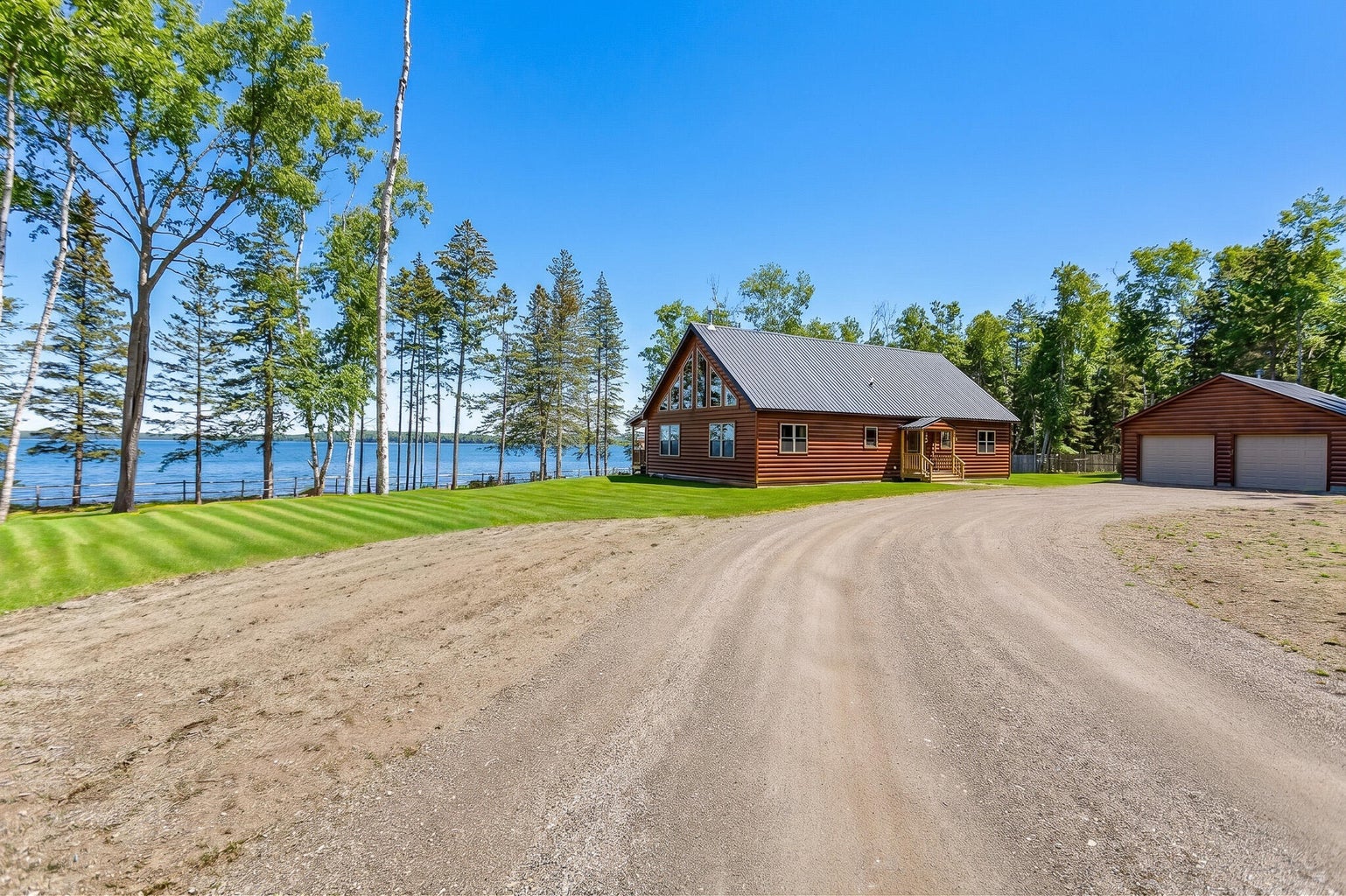
Buying a home is one of the biggest financial decisions you'll make, and asking the right questions can help you avoid unexpected surprises after closing.
Whether you're looking at a waterfront cottage, a historic home, or a year-round residence in Midcoast Maine, here are some important questions to ask before making an offer.
1. How Old Is the Roof and Heating System?
Major systems can be expensive to replace, so it's worth asking about their age, condition, and maintenance history.
A newer roof or heating system may save you money in the years ahead.
2. Is the Home Connected to Public Utilities?
Many homes in Midcoast Maine rely on private wells and septic systems.
Ask:
- When was the septic system last inspected?
- Has the well been tested recently?
- Are maintenance records available?
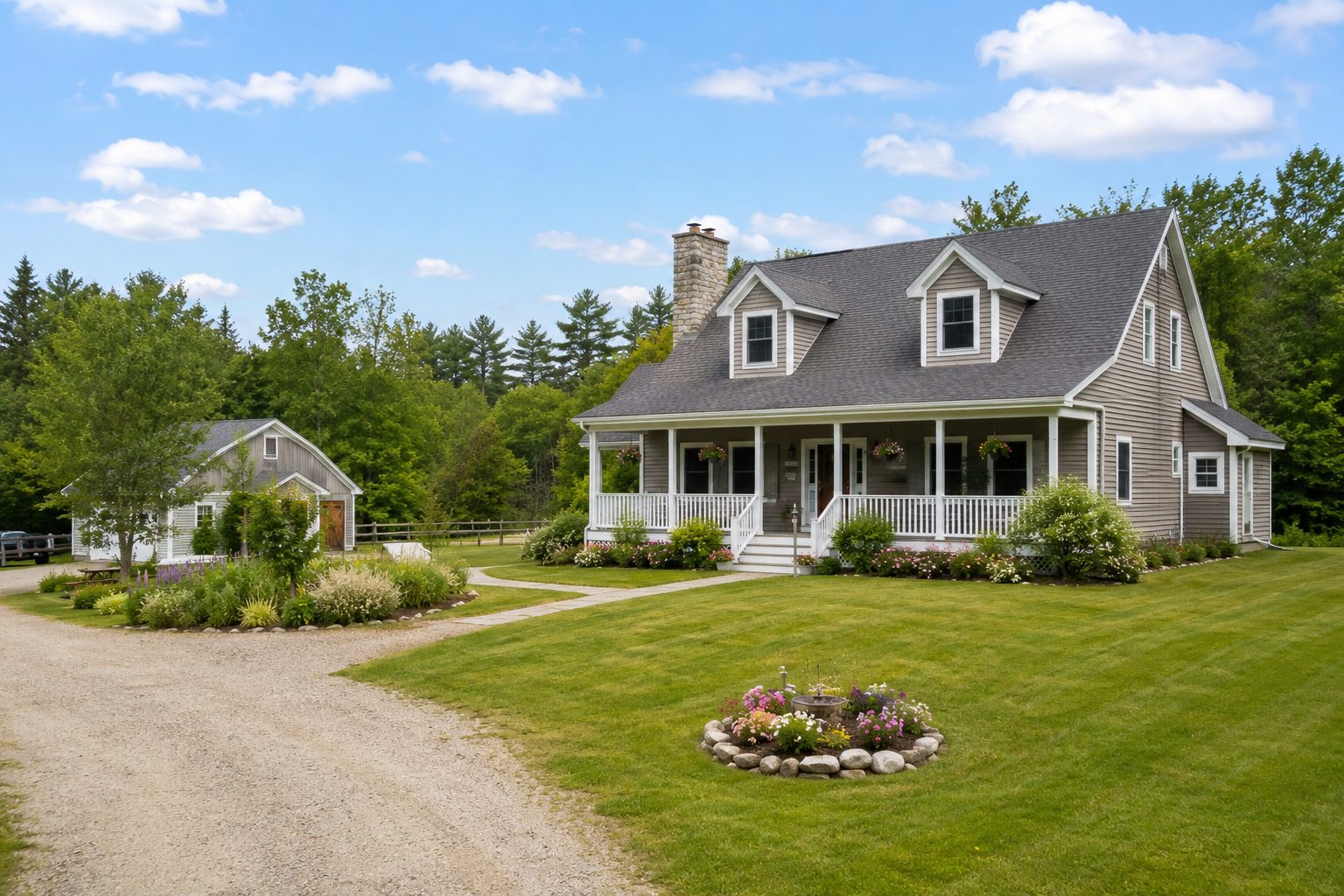
3. Has the Home Experienced Water or Moisture Issues?
Maine's weather can be tough on homes.
Ask if the basement, crawl space, or foundation has experienced moisture, flooding, or drainage issues, especially after heavy rain or spring snowmelt.
4. What Are the Average Utility Costs?
Utility costs can vary depending on the home's size, insulation, and heating source.
Understanding average heating and electricity costs can help you budget more accurately.
5. Are There Any Road or Association Fees?
Some homes are located on private roads or within communities that share maintenance costs.
Ask whether there are:
- Road maintenance agreements
- HOA fees
- Shared driveway responsibilities
6. If It's Waterfront, What Should I Know?
Waterfront homes often come with additional considerations.
Ask about:
- Flood insurance requirements
- Shoreland zoning
- Dock or mooring rights
- Shoreline maintenance responsibilities
7. Have There Been Any Recent Updates or Repairs?
Ask what improvements have been completed over the years, such as:
- Electrical updates
- Plumbing improvements
- Window replacements
- Insulation upgrades
These updates can provide valuable insight into how the home has been maintained.
Final Thoughts
Every home has its own story, and asking thoughtful questions is one of the best ways to make a confident buying decision.
Whether you're searching in Belfast, Camden, Rockport, Lincolnville, Northport, Searsport, or another Midcoast Maine community, understanding a property's condition, utilities, and maintenance history can help you feel more prepared before making an offer.
What Are the Hidden Costs of Owning a Home in Maine?
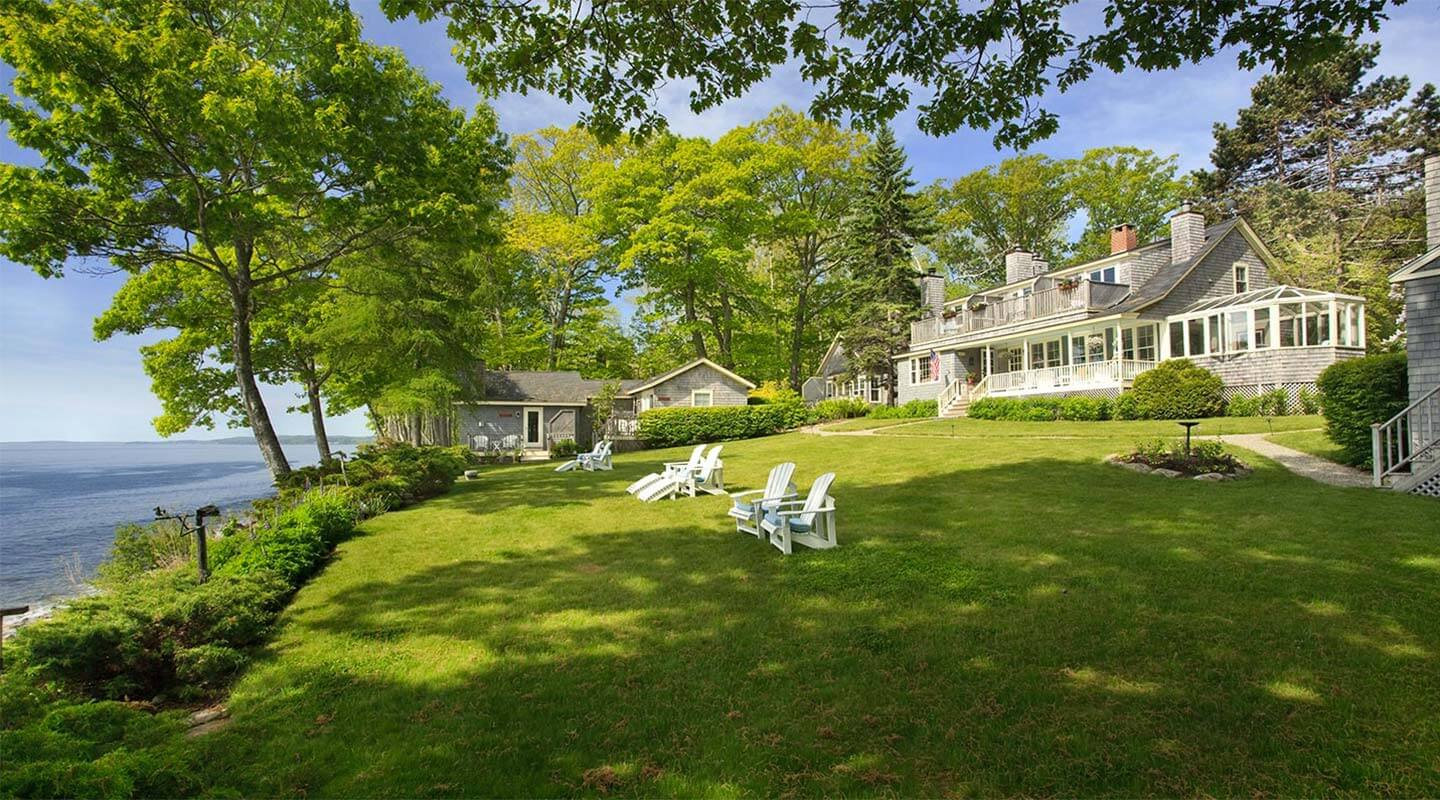
Buying a home is an exciting milestone, but the monthly mortgage payment is only part of the cost of homeownership.
Whether you're purchasing your first home or relocating to Midcoast Maine, it's important to plan for additional expenses that come with owning and maintaining a property. Knowing what to expect can help you budget more confidently and avoid surprises after closing.
1. Heating Costs
Maine winters can be long, so heating is one of the biggest ongoing expenses for many homeowners.
Depending on the property, homes may use:
- Heating oil
- Propane
- Natural gas
- Heat pumps
- Wood or pellet stoves
Energy costs vary based on the home's size, insulation, and heating system, making it worth asking about average utility costs before buying.
2. Property Taxes
Property taxes vary by municipality throughout Maine.
Before making an offer, buyers should review the property's current tax assessment and understand how taxes may affect their overall monthly housing costs.
3. Snow Removal & Seasonal Maintenance
Winter brings more than just beautiful scenery.
Homeowners should budget for:
- Snow plowing
- Roof snow removal, if needed
- Ice management
- Driveway maintenance
If you travel during the winter, you may also need someone to monitor the property.
4. Septic Systems and Private Wells
Many homes in Midcoast Maine rely on private wells and septic systems instead of public utilities.
Routine maintenance, inspections, and occasional repairs are part of responsible homeownership and can help avoid larger expenses later.
5. Home Maintenance
Every home needs regular upkeep.
Common maintenance costs include:
- Roof repairs
- Exterior painting or siding
- Gutter cleaning
- Tree trimming
- Deck maintenance
- HVAC servicing
Setting aside money each year for maintenance can help protect your investment.
6. Waterfront Home Expenses
If you're buying a waterfront property, there may be additional costs to consider, including:
- Flood insurance (where required)
- Dock or shoreline maintenance
- Higher exterior maintenance due to salt air
- Tree and erosion management
These costs vary depending on the property's location and features.
Final Thoughts
Owning a home in Maine comes with unique responsibilities, but with the right planning, those costs are often manageable and well worth the investment.
If you're considering buying a home in Belfast, Camden, Rockport, Lincolnville, Searsport, or the surrounding Midcoast Maine area, working with a local real estate professional can help you better understand the costs associated with different property types and communities.
Should You Buy a Historic Home in Midcoast Maine?

Historic homes are part of what makes Midcoast Maine so unique. From Belfast and Camden to Rockland, Thomaston, Wiscasset, and Castine, these homes offer timeless character, quality craftsmanship, and a connection to Maine's rich history.
Before buying one, it's important to understand both the benefits and the responsibilities that come with owning an older home.
Why Buyers Love Historic Homes
Historic homes often feature details that are difficult to find in newer construction, including:
- Original hardwood floors
- Handcrafted woodwork
- Built-in cabinetry
- Fireplaces
- High ceilings
- Classic New England architecture
Many buyers are drawn to the charm and character these homes bring to Midcoast Maine's historic neighborhoods.
Not Every Historic Home Needs Major Renovations
One of the biggest misconceptions is that every historic home is a fixer-upper.
Many homes throughout Midcoast Maine have already been updated with modern kitchens, newer heating systems, improved plumbing, and updated electrical systems while preserving their original charm.
A home inspection can help identify which improvements have already been completed and what may still need attention.
Know What to Look For
Older homes deserve a careful inspection. Buyers should pay close attention to:
- Roof and foundation
- Electrical and plumbing systems
- Heating and insulation
- Windows
- Signs of moisture
- Lead paint or asbestos in older materials, when applicable
These aren't necessarily deal breakers, but they're important factors when planning for future maintenance.
Historic Districts May Have Guidelines
Some historic homes are located within local historic districts, where exterior changes may be subject to local guidelines or approvals.
If you're planning renovations, it's worth understanding any restrictions before purchasing the property.
Is a Historic Home Right for You?
A historic home may be a great choice if you appreciate unique architecture, enjoy homes with character, and don't mind a little extra maintenance.
If you're looking for a move-in-ready home with modern finishes and minimal upkeep, newer construction may better fit your lifestyle.
Final Thoughts
Historic homes remain some of Midcoast Maine's most desirable properties because they offer a level of craftsmanship and character that's difficult to replicate today.
Whether you're considering a Victorian in Rockland, a sea captain's home in Belfast, or a classic New England home in Camden or Wiscasset, understanding the property's condition and history can help you make a confident decision.
What Is the Best Time of Year to Sell a Home in Maine?
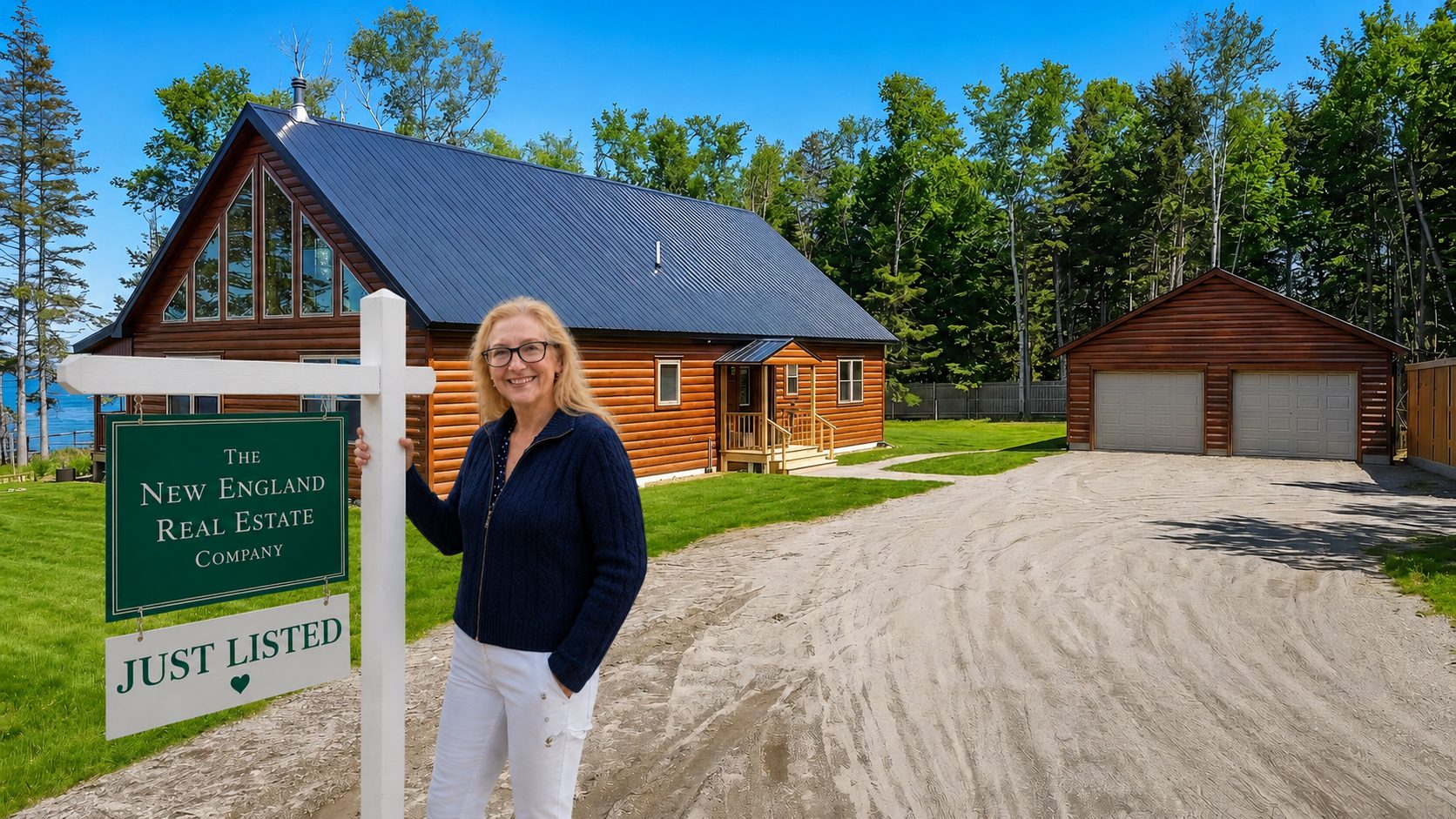

If you're thinking about selling your home in Midcoast Maine, you may be wondering when the best time to list is.
While every property and situation is unique, spring and early summer are traditionally the busiest seasons for real estate in Maine. Buyers become more active as the weather improves, and many families hope to move before the next school year begins. However, homes can sell successfully in every season when priced and marketed appropriately.
Here's what sellers should know.
Spring: Maine's Busiest Selling Season
Spring is often considered the strongest time to sell a home in Maine.
As temperatures warm and snow melts, buyer activity typically increases. Homes also tend to show well during this time of year, with blooming landscapes, longer daylight hours, and improved curb appeal.
Many Midcoast Maine sellers choose to list between March and June to take advantage of increased buyer demand. Historically, this period brings more showings and a larger pool of potential buyers.
Summer: Ideal for Coastal and Waterfront Properties
Summer remains an excellent time to sell, especially in Midcoast Maine.
Communities such as Belfast, Camden, Rockport, Lincolnville, and Islesboro often see interest from second-home buyers and out-of-state buyers during the summer months. Waterfront homes and coastal properties are particularly appealing when buyers can fully experience the lifestyle these homes offer.
Summer also provides:
- Longer daylight hours for showings
- Attractive outdoor spaces and landscaping
- Increased tourism and relocation activity
Fall: Less Competition, Serious Buyers
Many sellers overlook fall, but it can be a great time to list.
By September and October, there are often fewer homes on the market, which means less competition. Buyers searching in the fall are frequently motivated and ready to make a decision before winter arrives.
A well-maintained home with strong curb appeal can still perform very well during the fall market.
Winter: Fewer Buyers, But Highly Motivated Ones
Winter is typically the slowest season for real estate in Maine. Snow, colder temperatures, and holiday schedules can reduce overall buyer activity.
However, buyers who are actively searching during the winter are often serious about purchasing. Inventory is usually lower, which can benefit sellers who need to move during this time.
So, When Is the Best Time to Sell?
For many Midcoast Maine homeowners, spring and early summer offer the greatest number of buyers and the strongest market activity. However, the best time to sell ultimately depends on:
- Your personal timeline
- Your home's location
- Property type
- Current market conditions
- Pricing strategy
A waterfront home in Camden may attract buyers differently than an inland property in Waldo County, so local expertise matters.
Final Thoughts
There is no single "perfect" time to sell every home in Maine. While spring and summer are traditionally busy seasons, homes can sell successfully throughout the year with proper preparation, pricing, and marketing.
If you're considering selling your home in Belfast, Camden, Rockport, Lincolnville, Northport, Searsport, or the surrounding Midcoast Maine area, understanding your local market is the first step toward a successful sale.
How Long Does It Take to Sell a Home in Midcoast Maine?

One of the most common questions sellers ask is, "How long will it take to sell my home?"
While every property is different, most homes in Midcoast Maine spend several weeks on the market before going under contract, followed by additional time for inspections, financing, and closing. The entire process often takes anywhere from a few weeks to a few months.
The good news? There are several factors that can help your home sell faster.
1. Pricing Matters Most
Homes priced appropriately for today's market tend to attract more interest and stronger offers.
Overpricing can cause a home to sit on the market longer, often leading to price reductions later.
2. Location Plays a Role
Homes in desirable Midcoast Maine communities such as Belfast, Camden, Rockport, Lincolnville, and Northport often attract strong buyer interest.
Waterfront properties, walkable neighborhoods, and homes close to local amenities may appeal to a larger pool of buyers.
3. Condition Makes a Difference
Buyers notice presentation.
Simple improvements can help your home stand out:
- Declutter living spaces
- Complete minor repairs
- Freshen up landscaping
- Deep clean before showings
A well-presented home often creates a stronger first impression.
4. Timing Can Help
Spring and early summer are traditionally busy seasons for Maine real estate.
However, serious buyers are active year-round, and homes can sell successfully in every season when priced and marketed correctly.
5. Marketing Matters
Professional photography, compelling listing descriptions, and strong online exposure help buyers find your home.
The first few weeks on the market are often the most important, making a strong launch essential.
How Can You Help Your Home Sell Faster?
few simple steps can improve your chances:
- Price competitively
- Prepare the home before listing
- Use professional photography
- Be flexible with showings
- Work with a knowledgeable local agent
Final Thoughts
There is no one-size-fits-all timeline for selling a home in Midcoast Maine. Factors such as pricing, location, condition, and market conditions all play a role.
If you're thinking about selling in Belfast, Camden, Rockport, Lincolnville, Northport, Searsport, or nearby communities, understanding your local market is the best place to start.
